
Wednesday Continental Café - 17.00 until 19.00

Asimina Alexandropoulou
From Cinderella to CinderWheela: Rewiring Learning through Inclusive Fairy Tales
This interactive workshop explores how inclusive fairy tales (“IncluTales”) can be used as neurolanguage coaching tools to create emotionally safe learning environments and foster deeper language engagement. Using short excerpts from reimagined classic fairy tales, such as Cinderella, featuring diverse characters, including neurodivergent and disabled protagonists, participants experience how storytelling activates emotion, attention and meaning-making, all key elements of effective language learning. The session highlights how small narrative shifts can lower anxiety, increase curiosity and motivation and support both linguistic accuracy and mastery, while also gently promoting social awareness around disability and inclusion.
Engagement Plan
Participants work with short story excerpts, guided reflection prompts and brief collaborative tasks. The session prioritises experiencing, doing and reflecting rather than theory-heavy input, ensuring high engagement and direct transfer to real teaching and coaching contexts.
Audience Takeaways
Participants will:
*Understand why inclusive narratives enhance learning from a neuroscience and coaching perspective
*Learn how to use short story excerpts to support emotional regulation and sustained learner engagement
*Practise adapting a narrative moment while maintaining clear linguistic and coaching goals
*Leave with practical, low-effort strategies that can be applied immediately in language teaching or coaching practice
Bio:
Asimina Alexandropoulou is an experienced EFL teacher, teacher trainer and language-school owner with a strong professional and academic focus on inclusive education, learner diversity and emotionally safe learning environments. She studied English Language & Philology at the National & Kapodistrian University of Athens, Greece and holds an MA in Special Education and Learning Difficulties. She is also a Certified SpLD Assessor and has over 20 years of teaching experience, working with both neurotypical learners and students across a wide range of learning profiles, including dyslexia, ADHD, autism spectrum conditions and physical disabilities.
Alongside her classroom practice, Asimina has completed extensive professional development and specialist training in special and inclusive education, and has been actively involved in teacher training, educational consultancy and curriculum design. Her work supports educators in creating inclusive, brain-friendly language classrooms that prioritise emotional safety, learner autonomy and meaningful engagement for all learners. Her professional interests sit at the intersection of foreign language education, neuroscience-informed teaching and emotional intelligence, with a particular focus on how storytelling and narrative activate learning, reduce anxiety and support identity, belonging and motivation in both neurotypical and neurodivergent learners. Over the past years, she has designed and delivered workshops and conference presentations on dyslexia-friendly teaching, inclusive assessment, parent–teacher communication and SEN-aware language learning. Asimina is the creator of ‘IncluTales’, an original educational project that reimagines classic fairy tales through an inclusive lens, featuring protagonists with disabilities and neurodivergent traits. These stories are used as practical tools for language learning, emotional awareness and social sensitisation, and are currently being developed into a children’s book accompanied by an educational appendix for teachers and parents.
Irina Francis
Must vs Want: How the Must–Want Motivation Matrix Unlocks the Brain’s Capacity to Speak a New Language
Many adult learners – especially immigrants under stress – experience a paradox: the stronger the internal pressure to speak (“I have to”), the more speech can shut down.
This talk introduces a neuroscience-informed framework for understanding speaking blocks through motivational modes Must vs Want, and presents my Must – Want Motivation Matrix (from “I don’t speak” to “I speak”) as a practical diagnostic and coaching tool.
Participants will learn how pressure-based motivation can activate threat responses (e.g., anxiety, rigid self-monitoring, avoidance) that reduce access to speech, and how approach-based motivation (“I want to”) can support safety, meaning, and agency – conditions that make speaking more available.
Objectives:
(1) clarify how motivational framing shapes the brain’s readiness to speak,
(2) identify markers of protection-mode vs learning-mode in adult learners, and
(3) equip participants with a brief, repeatable coaching sequence for shifting clients toward “want” motivation and sustainable communication.
Bio:
I am a clinical psychologist, supervisor, and neurolanguage coach with over 25 years of professional and research experience exploring how the brain learns – and what supports or blocks learning, including adult foreign language acquisition. My core training is in clinical psychology. From the beginning of my career, I have been driven by a persistent question: why do some people learn with ease while others become blocked, even when motivation is high? This focus shaped my academic path. My PhD research examined leaders’ professional identity and how a leader’s interaction style influences employees’ motivation, learning capacity, and initiative. Through both research and practice, I observed a stable pattern: the behaviour of a person in authority can either open or narrow another person’s ability to learn, take agency, and develop.
Later, my work expanded to the neuropsychological mechanisms of learning from early childhood. I led international grant-funded projects aimed at identifying behavioural patterns of a significant adult (e.g., a parent, primary caregiver, or teacher) that create conditions for more effective brain functioning in children – particularly in speech development, attention, self-regulation, and readiness to learn. Within international research contexts (including Russia, Vietnam, and the United States), I contributed to developing behavioural markers and assessment indicators for adult responsiveness to a child’s signals, and I presented related findings at international conferences and in publications.
Olivier Dierickx
Healing through Poe-Tree: How words and nature can rekindle your heart and let you blossom
After this session, the audience will gain insights about how words, languages, nature could help to connect to our body and our heart. The intention is to bring the awareness to our senses, our imagination, the present moment, the nature that surrounds us, to reconnect to our heart. NeuroScience focus so much to the brain, I truly believe that we can also embark the heart, the body, our whole self, in order to be united again in the beautiful Multi-Verse of this Powerful play. This session will be a blend about neuroscience research and also creativity, interaction and imagination.
Bio:
As a kid and adolescent, Oli was already tapping into the magic of languages, words, cultures, poetry, books “choose your own adventures”, and thanks to my grandfather and French teacher, to critical thinking and the power of appreciation.
After more than 2 decades of finding his way, he finally get back to Language training in 2019, and Neurolanguage coaching in 2022, thanks to Rachel and her incredible community.
On this 10th anniversary edition, he wants to explore the power of words, movement, and heart connection
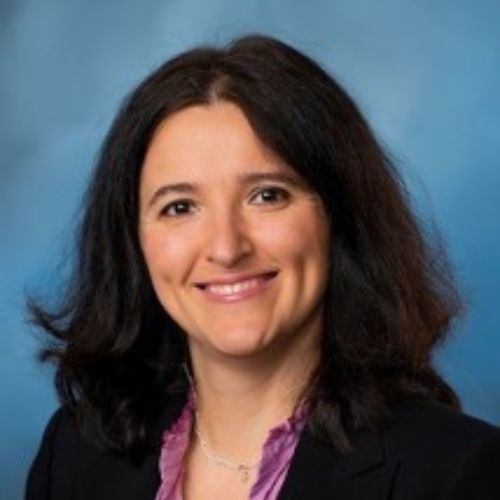
Iulia Pittman
Coaching in Systems: Rethinking Neurolanguage Coaching® in Institutional Contexts
Neurolanguage Coaching® is often practiced in 1:1 contexts where the coach largely controls the container, the language, and the pace of the conversation. In institutional settings—such as universities and organizations—coaching takes place inside systems shaped by hierarchy, structure, expectations, and established cultures that are not always aligned with coaching principles.
This interactive workshop invites participants to rethink how Neurolanguage Coaching® functions when it enters institutional contexts. Drawing on lived experience coaching undergraduate and graduate students and faculty, as well as introducing coaching to administrators within a university setting, the session explores how context shapes coaching conversations, how autonomy and agency take on different meanings inside systems, and how coaching presence must adapt without losing its core.
Participants will be invited to shift from seeing coaching as a set of tools or techniques to seeing it as a stance—one that requires heightened awareness of language, power, neuroscience-informed framing, and context. Through guided reflection and interactive exploration, participants will examine assumptions about coaching that may work well in private practice but need to be rethought in institutional environments.
The workshop is designed to help experienced Neurolanguage Coaches® develop greater contextual intelligence and confidence as they bring coaching into educational and organizational systems.
Bio:
Dr. Iulia Pittman is an Advanced Certified Neurolanguage Coach®, linguist, and Full Professor of German and Linguistics at Auburn University (USA). With over two decades of experience in higher education and language development, she works at the intersection of neuroscience, multilingualism, and academic leadership. She integrates Neurolanguage Coaching® principles into university language teaching and applies brain-based coaching approaches in her work with language learners, graduate students, and faculty. In addition to her academic role, she serves as a faculty coach and contributes to institutional conversations about developing sustainable coaching cultures within higher education.
Her work focuses on autonomy, agency, and long-term growth in complex educational systems. Drawing on a strong research background in linguistics and second language acquisition, she bridges academic scholarship and coaching practice to support meaningful and lasting transformation for learners and educators.
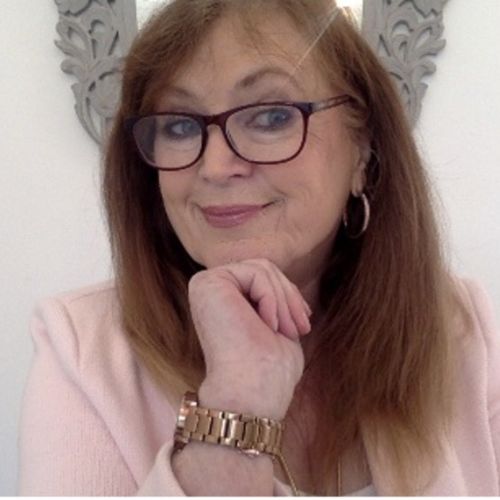
Sharyn Collins
The Grasp of the Mother Tongue in Learning the Sounds and Pronunciation of a Second Language
As you know, our brain is wired for survival, and wherever possible, it will try to save energy by finding the easy way to perform a function. Let me connect this to language learning, and let’s talk about the grasp of the “mother tongue”, in other words, the dominance of our first language. Our mother tongue is our connection to family, culture and identity. It is a basis and a language system which can help in second language acquisition. Most of all, we feel comfortable and secure with it. It is our natural default language. It is also dominant. From birth, a child develops a sound system, using the palate, plus lips, teeth and tongue to produce certain sounds. These sounds, possibly even unique to that first language, become embedded in the memory to form habits, and as we all know, habits are hard to break! These sounds become the default sounds. A student learning a second language often has to learn different sounds. If the second language is related to the mother tongue, such as Spanish to Portuguese, or Swedish to Norwegian, then the adjustment is not as great as it might be between Chinese, which is tonal, and, for example, English. This adjustment is hard and takes time, effort and a great amount of practice. But how important is it to aim for perfection, to try and replicate exactly the sounds of the second language?
Good communication should always be the aim, and that includes not only accent, but also body language, gesture and cadence. A perfect accent is never necessary as long as it is clear. As a German language trainer, but a native English speaker, I believe I speak with a decent German accent, as I have studied it for many years. And yet, if I ask a German native speaker what my accent is like, the comment is often: “ It’s clear, and it’s good, but it’s not quite German. “ I don’t mind, I try my best. I can live with that. A course with an emphasis on pronunciation practice and accent improvement should always begin with a discussion between teacher and student. Different students will have different goals. I always explain what is meant by the grasp of the “mother tongue”, and that if they want to improve their accent in a foreign language, they will have to fight the dominance of the mother tongue, and that is hard!!!! Too much pronunciation practice can be tedious; it depends on the student and their needs. Can it be done? Well, yes. Just look at actors for proof, but actors have the incentive of being paid quite a lot of money for their effort and maintaining their reputation. Very often, an actor preparing for a role with a foreign accent will use an accent coach and have so many lessons, even sometimes, moving in with the coach to achieve their goal. Our students usually don’t have the time or the money. So, in summary, it is so important to understand that the “mother tongue” can really dominate when learning the sounds of a second language.
I feel a student should be made aware of this. I also feel that they should know that as long as they speak clearly and can be understood by the majority of people, then that is more than enough.
Bio:
Sharyn Collins is a polyglot and language trainer who specialises in Standard British English pronunciation. She is also a lecturer in communication and gives talks all over the world, promoting better communication through clear speech. Sharyn has given training in so many countries, including Bahrain, where she taught the royal family, Oman, Mexico, Cyprus, India, Turkey, Lithuania and Northern Ireland. “I have already had the privilege of speaking at three Neurolanguage conferences and am very excited about taking part in the new conference cafe in Sitges this year, says Sharyn. “I will be discussing ‘the grasp of the mother tongue’ when learning the pronunciation of a new language. This conference is very informative and such fun at the same time. Over the years, I have made so many friends, and I just love being part of this Neurolanguage community.”
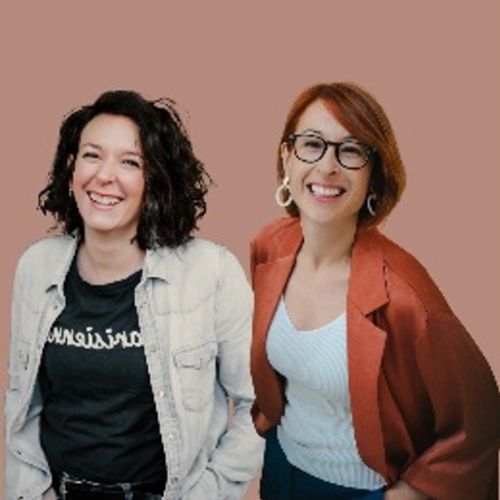
Hanaé Loison & Laura Pipponzi
PlusPlus your skills as language trainer: Experience your PlusPlus sauce!
PlusPlus your skills as language trainer: Experience your PlusPlus sauce is a 60-minute interactive workshop inviting participants into a space of playful, hands-on co-creation. Using PlusPlus as simple yet powerful visual and tactile building blocks, participants explore how these elements can enrich Neurolanguage Coaching practice. Through collaborative building tasks, visual metaphors, a relaxed atmosphere, and group reflection, they experiment with new ways to foster engagement, connection, and creative expression in language sessions.
The workshop includes group creations, a gallery walk, collective sharing, and final reflections. Participants leave with renewed energy and concrete ideas for integrating more playful, tactile, and brain-friendly activities into their coaching — or for shaping their own unique secret sauce.
Bio:
Hanaé Loison is a trainer-of-trainers and strategic learning consultant with 15 years of experience supporting organisations in their transition toward multimodal, active and brain-friendly pedagogy. As a Neurolanguage Coach for French learners, she combines neuroscience-informed approaches, experiential learning, coaching principles and pronunciation expertise to design meaningful and personalised learning experiences that foster autonomy, creativity and authentic communication.
Laura Pipponzi is a language coach and facilitator with 15 years of experience in language education and corporate training. She has worked across schools and international companies, adapting her programmes to diverse learners and professional contexts. As a Neurolanguage Coach, she integrates creativity, emotional intelligence and CLIL-inspired methodologies to support meaningful communication and real-world confidence through safe, playful and purposeful learning environments.
Hanaé and Laura met at the 2022 Neurolanguage Coaching Conference. Together, they bring strong pedagogical expertise, coaching skills and a shared passion for experiential, joyful learning.
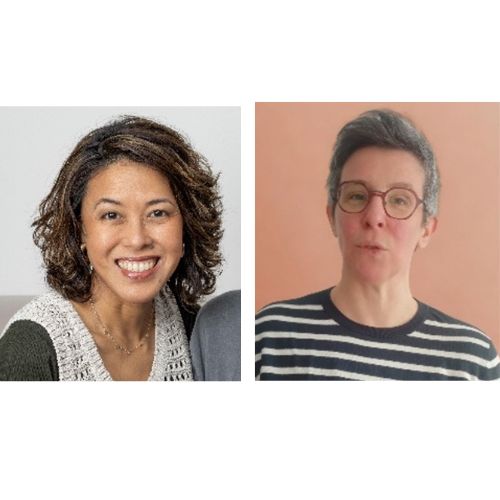
Mariel Geiger and Orianne Robert du Camp d’Orgas
Brains on a Roller Coaster: How Perimenopause and Menopause Impact Women’s Learning Journeys
While the majority of Neurolanguage Coaches® and many of our clients are women in midlife, menopause — and its impact on cognition and learning — remains a largely overlooked topic in our professional conversations. At the same time, male coaches also benefit from understanding these neurological and cognitive shifts, both to better support learners and to foster more empathetic, informed coaching relationships.
This workshop invites participants to reflect on their own experiences, assumptions, and knowledge gaps related to menopause. We will present current scientific insights into what happens in the brain during peri- and menopause, with a focus on how these changes influence cognitive functions such as learning, memory, focus, attention, verbal fluency, and motivation. We will connect these neuroscience findings with practical coaching strategies that support clients navigating this transition — and that help coaches manage their own cognitive wellbeing during midlife.
Through storytelling, neuroscience input, and guided reflection, participants will gain a clearer understanding of the so-called “menopause brain” and leave with actionable, brain-friendly approaches that make language learning more compassionate, empowering, and effective for all.
Bio:
Maria Eliza Geiger (Mariel) is a Professional Neurolanguage Coach® who supports German-speaking professionals in improving their English speaking skills through engaging, brain-friendly conversation sessions. Her approach combines practical communication practice with insights from neuroscience, helping learners build confidence and fluency in a supportive and motivating environment. She holds a CELTA (Certificate in English Language Teaching to Adults), completed in Munich, Germany, and a B2 certification in German. This enables her to work effectively and empathetically with German-speaking learners, particularly in navigating cross-linguistic challenges when expressing themselves in English. Drawing on her strong interest in how the brain learns languages, she created SHIFT HAPPENS, a program designed to help learners recognize and overcome neuromyths and limiting beliefs that can prevent them from progressing toward their language goals. In addition to facilitating English conversation sessions at MVHS, she has recently expanded her work to include teaching her mother tongue, Tagalog/Filipino. Through this, she continues to build bridges between languages and cultures while empowering learners to communicate more confidently and authentically. As a passionate advocate of lifelong learning, she is also currently learning Spanish at the age of 53 — demonstrating that it is never too late to start learning a new language.
Orianne Robert du Camp d’Orgas is a Professional Neurolanguage Coach® with a Master’s Degree in Language Didactics. She is passionate about acquiring new skills – across various disciplines – as a way to stress-test her mental patterns, confront the limits of her own frameworks, and ultimately transform them. Her work focuses on helping individuals gain clarity, agency, and alignment by exploring the often unseen patterns, beliefs, and habits that influence how we learn and act. Orianne is particularly interested in a holistic understanding of learning; she explores the connection between cognitive processes and the moving body, seeking how greater awareness of this relationship can support more effective and sustainable development.
Through her work, she invites learners and professionals to approach change with curiosity, awareness, and a deeper, embodied understanding of how they learn.
Hind Elbaallaoui
In this session, I want to share the reality of Arab learners — their struggles, their fears, and also their amazing potential. Too often, they translate in their heads, worry about mistakes, or carry limiting beliefs that stop them from speaking. Using Neurolanguage Coaching® techniques and mindset tools, I will guide participants through practical activities that I use with my own students: the mirror speaking challenge, voice identity work, and emotion-linked vocabulary anchoring. These exercises have helped even beginners find their voice and speak with more freedom. The workshop will be hands-on and interactive. Participants will try the activities themselves, reflect on the experience, and then design a small “confidence challenge” they can use with their own learners.
This is not just theory — it’s real practice, taken from my own coaching journey with hundreds of students across Morocco and the Gulf.
Audience Takeaways
How to reduce fear and hesitation in learners.
Simple coaching tools that build fluency fast.
Practical activities ready to apply in their own context.
Inspiration from real learner stories of transformation.
Bio:
My name is Hind Elbaalaoui, and I am the founder of Linglo Speaksy, an English academy that works with learners in Morocco, the Gulf countries, and Arab students living abroad. I have been teaching English for more than 14 years, and during this journey I discovered that learning a language is not only about grammar and vocabulary — it’s about confidence, mindset, and identity. I became certified in Neurolanguage Coaching® and other teacher training programs because I wanted to bring something different to my learners: a way of learning that is brain-friendly, practical, and emotionally engaging. Over the years, I have helped students who were shy, blocked, or afraid to speak, and I’ve seen them transform into confident communicators. Many of them achieved promotions at work, passed exams, or started to use English in real-life situations after struggling for years. Through Linglo Speaksy, I create programs such as Speaking Boost and Khalik Fluent, which combine coaching with real practice. My vision is to make Arab learners more visible on the global stage, and to share how mindset and coaching can change the whole learning experience.