Patricia Bergström

Patricia Bergström

Bio:

Patricia Bergström is a multilingual Professional Neurolanguage Coach® and Licensed Teacher Trainer with over 26 years of experience guiding learners and educators through transformative change. Her work explores the intersection of language, emotion, identity, and intercultural awareness, informed by professional certifications in mindfulness, emotional intelligence, NLP, and laughing medicine, and grounded in neuroscience. Founder of Effective Learning 4 Life, Patricia holds an MA in TESOL and an MA in Modern Foreign Languages from the University of St Andrews. She serves as Project Officer for Alumni Relations for the UN SDSN Global Schools Programme and co-coaches the IHE micro-credential in Solutionary Teaching and Learning, supporting educators worldwide to create meaningful, sustainable impact.

Session synopsis:

From Wobblies to Grounded: Navigating the Emotional Slumps of Self-Employment

Becoming your own boss is often framed as freedom, flexibility, and fulfilment, yet the emotional and cognitive “wobblies” that accompany self-employment are rarely spoken about. Slumps in motivation, self-doubt, comparison, and identity confusion are common, particularly in the age of social media, where curated success stories distort reality and amplify inner pressure.

In this 60-90 minute experiential workshop, participants will explore the neuro-emotional dynamics behind entrepreneurial slumps and the identity shift from employee to self-directed professional where participants will learn how to recognise, normalise, and navigate these wobblies with greater self-compassion and clarity.
The session offers a safe space to name what is usually hidden, reframe internal narratives, and develop practical tools to remain grounded, resilient, and aligned, even when motivation dips and external validation is absent.

Marie Claire Berkmans

Marie Claire Berkmans

Neurolanguage Coach

Bio:

Experienced and qualified professional in the field of coaching and teaching english, with a career spanning over two decades. 

I am currently an independent trainer and neurolanguage coach®, with a particular focus on the preparation of job interviews in English for French professionals. My expertise is reflected in my range of competences and certifications, in both therapy ( master practitioner in NLP, practitioner in hypnosis, transactional analysis theory) and Neurolanguage Coaching.

Since 2013, I have worked as an independent trainer and coach, specializing in the creation, implementation, and evaluation of training programs for French companies and english groups (Kingfisher, Compass, IVC). I am Qualiopi certified (French quality certification for training centers), demonstrating my commitment to high standards in professional training.

I hold a Master’s degree in Translation Studies from the Lille Université, focusing on the translation of African American English in Uncle Tom’s Cabin and how to translate vernacular English into French.

In addition to my professional career, I serve as the President of the Board of Directors at QUANTA, a support and work assistance establishment for the Autistic near Lille. I represent the association in public institutions and private sector partnerships, further demonstrating my commitment to social responsibility, community development, using my coaching and interpersonal skills.

I have built a career dedicated to the advancement of education and the development of language skills with my 325 coachees!

Session synopsis:

Unlocking Language Learning Through Metaphor: Clean Language and Neurolanguage Coaching®

As neurolanguage coaches, we understand that language learning is never just about grammar or vocabulary—it’s about the way the coachee makes sense of his/her learning in a brain friendly way.

One powerful tool we can also bring into our sessions is the use of Clean Language—a questioning technique developed by David Grove that invites learners to explore their inner world through their own metaphors.

This 50 minute workshop will focus on the 12 clean language questions and will contain 3 group activities.

Sinem Atamsoy Koşar

Sinem Atamsoy Koşar

ELT Specialist
Advanced Neurolanguage Coach®
TESOL Türkiye, TEDSIG Committee Member
IATEFL, TDSIG Committee Member

Bio:

With over 33 years of teaching experience and 15 years as a learning consultant, I am deeply passionate about empowering educators, leaders, and learners to grow with confidence and curiosity. My expertise lies in teacher development, trainer training, leadership, as- sessment, brain-based learning, and Advanced Neurolanguage Coaching®, supporting personalised and science-informed learning journeys.
 
During my time at Ege University in İzmir, I served as the Vice Head of the
School of Foreign Languages, member of the Continuous Professional Deve-
lopment Unit, and exam writer. I am a founding member and former president of
TESOL Türkiye and continue to contribute actively to teacher education and
professional development initiatives nationally and internationally. I currently
serve as a committee member at TESOL Turkiye Teacher Education and Deve-
lopment Special Interest Group (TED SIG) and have recently joined the IATEFL
Teacher Development SIG as a committee member.

Session synopsis:

From Control to Connection: Coaching-Based Neuroleadership in Education

What happens in the brain when a leader speaks? Why do some teams shut down under pressure while others stay curious, engaged, and creative? How can leadership language shift people from survival mode into learning and flow?

Traditional leadership models often overlook how the brain responds to pressure, uncertainty, and hierarchy. In this interactive session, participants explore Neuroleadership through the lens of Neurolanguage Coaching®, relational neuroscience, and psychological safety.

The session highlights how leaders’ language, presence, and emotional regulation directly impact cognitive performance, motivation, and engagement. Participants will discover how coaching-based leadership activates autonomy, competence, and relatedness — essential drivers of learning and change.

Through reflection, case-based discussion, and practical micro-tools, attendees will learn how to create trust-rich environments where individuals and teams move from survival mode to growth and flow.

Daphne Klimmek

Daphne Klimmek

Bio:

Daphne Klimmek is a certified professional Neurolanguage® Coach for English and a certified Life Coach supporting expats in Europe as they navigate change and loss. With over 15 years’ experience as a Business English and Communication Skills Trainer, she’s worked across sectors, including healthcare, manufacturing, tech, energy, finance and real estate—from C-level leaders to specialist teams. Born in Tanzania and now a British-German dual citizen, her international journeys—including time in Greece and Indonesia—have shaped her belief that the essence of life is connecting and engaging. A digital nomad, mostly based in Stuttgart, she recharges with outdoor adventures such as scuba diving, mountain hiking and skiing. Daphne brings this spirit of curiosity and courage to her coaching by crafting open, inclusive spaces for clients to thrive personally and professionally.

Session synopsis:

From Saboteur to Sage: Using Positive Intelligence to Enhance Language Coaching and Client Learning.

This interactive workshop introduces Positive Intelligence (PQ), Shirzad Chamine’s neuroscience-based framework for mental fitness, and applies it to Neurolanguage Coaching® and language learning. Participants explore how “Saboteurs” and the “Sage” brain affect learners’ stress, motivation, and performance, while also examining how the Coache’s own Saboteurs influence coaching presence, communication, and decision-making. Through practice with simple PQ-based interventions, coaches learn to improve their presence, self-regulate in challenging moments, deepen empathy, and design brain-friendly, emotionally safe learning experiences that empower language learners.


Participants will:

• Review the definition of a coaching mindset and its core elements (presence, non-judgment, curiosity) tailored to Neurolanguage Coaching® principles.

• Understand core PQ concepts (PQ, Saboteurs, Sage, PQ Brain) and their link to stress and emotions in language learning.

• Gain some self-awareness of personal coach Saboteurs (e.g. Pleaser, Controller) and common learner Saboteurs (e.g. Hyper-Achiever, Avoider), plus strategies to address both in sessions.

• Apply some PQ-based interventions (PQ reps, reframing questions, Sage prompts) in simulated coaching conversations.

• Design one concrete experiment to integrate PQ into their Neurolanguage Coaching® process.

Nicole Ziman-Laybel

Nicole Ziman-Laybel

Bio:

I’m a Neurolanguage Coach®, ICF-accredited coach, and teacher trainer with over 15 years of experience working with English learners, educators, and business professionals worldwide. My work sits at the intersection of English Communication coaching, Neuroeducation and 3 Brain Coaching, . 

I am driven by a curiosity about why capable, motivated people often know the language get “blocked” when they need to learn or perform, how to prevent it and even how to eliminate it altogether. My professional path began in crisis support coaching and long-term mind–body practice, which shaped how I work with pressure, safety, and awareness. I later trained as a Co-Active coach and Business English teacher, supporting business executives who needed English as a tool for real-time communication and presence. 

Today, I integrate Neurolanguage Coaching®, mindfulness, emotional awareness, and three-brain coaching to help learners and educators understand what happens when head, heart, and gut fall out of sync — and how restoring safety allows language and confidence to flow again. I create learning spaces that reduce performance pressure and help people reconnect with their voice in English by freeing what’s already there.

Session synopsis:

In Sync or Stuck? Why Language Learning Needs All Three Brains

This interactive workshop explores how engaging the three brains—head (cognitive), heart (emotional), and gut (instinctive)—can significantly enhance both language learning and coaching effectiveness. The participants will experience a practical framework that goes beyond theory and allowing them to feel how different brain dominances affect their teaching, coaching, and communication choices.

The session will start with a brief self-assessment to identify each participant’s dominant brain. Through guided activities, reflection, and discussion, educators will discover how over-reliance on one brain can limit learning and how consciously integrating all three can foster safety, confidence, and freedom in language use. This workshop bridges neuroscience, emotional intelligence, and embodied coaching, providing tools that participants can immediately apply in their own sessions.

Katarzyna Bieniecka-Drzymała

Katarzyna Bieniecka-Drzymała

Bio:

Katarzyna Bieniecka‑Drzymała, PhD, ACC ICF, bridges the worlds of academia and coaching to support learners and professionals in building autonomy and confidence. As a senior lecturer and LSP instructor at Adam Mickiewicz University, she has shaped language education for over two decades. She founded KOUCZ Studio to bring individual coaching and workshops to students, and leads BIEN Language & Coaching, collaborating internationally with universities, companies, and private clients. Director of the ICF Chapter in Poznań, she is the author of From Self‑Reflection to Autonomy and an active contributor to international educational projects. Her work has been recognized by the Polish Ministry of Education and Science and the British Council.

Session synopsis:

Language Coaching: Evidence-Based Benefits for Academia

Despite decades of research and practice in foreign language education, persistent challenges such as speaking anxiety, lack of learner autonomy, and high dropout rates remain. Language coaching – a structured, non-directive dialogue that empowers learners to take ownership of their learning offers a promising solution. Drawing on over 25 years of experience in language teaching and a completed doctoral project, this presentation explores the effectiveness of language coaching as an intervention to enhance metacognitive awareness, self-regulation, and attitudes toward language learning. The longitudinal study of six linguistic majors confirmed the autonomising potential of coaching dialogue, highlighting the critical role of metacognitive development and the teacher/coach-student relationship. Beyond pedagogical benefits, the findings provide compelling arguments for institutional stakeholders: language coaching improves communicative competence and learner engagement.

Participants will gain research-based insights and practical strategies to advocate for integrating coaching into educational and corporate contexts.

Format and duration: ca. 40-45 minutes talk with interactive activities and Q&A session

Amanda Croft

Amanda Croft

Bio:

Amanda Croft founded English with STILE to bridge the gap between formal CELTA training and the realities of classroom teaching and coaching. Her mission is to empower language professionals to integrate storytelling, theatre skills, and improvisation into their teaching, creating dynamic learning experiences both online and in person.

With three decades of experience blending acting and EFL teaching, Amanda holds an MA
in TESOL, specialising in gesture and language acquisition. Her interactive STILE workshops have been featured at international conferences including IATEFL, ELTABB in Berlin, TESOL Spain-North, BESIG Athens, and the Neurolanguage Coaching®️ Conference in Sitges 2024, where the seeds for her company were first sown.

Amanda’s work on storytelling was recently showcased in TUG (The University Grapevine), curated by Robert Stoud. This year, she returns to Sitges to present “Listening: the heart of improvisation”, an immersive workshop exploring the art of listening with our wholeselves—a testament to her commitment to active, embodied learning.

Session synopsis:

Listening is at the heart of Improvisation.

There are two key elements at the heart of active listening: one is attention and the other is presence. In this workshop especially created for Sitges 2026, we will explore through whole group exercises the attention required to listen not just with your ears, but with your whole being.

The content will involve whole group exercises which will promote listening with your senses and your entire being. Improvisation teaches us to observe carefully, provide support for the others in the group and listen with attention and presence both to ourselves and others. The aim is that the audience will participate in an experience which will highlight the above key features, but also take away ideas that they can use in their physical learning spaces. It will be a workshop format, ideally an hour or 1hr 15 depending on time constraints.

Engagement plan: 1. Warm up exercises 2. Moving to a whole group exercise 3. Then 3 large groups, each with one leader who will change spontaneously and without any kind of discussion 4. These 3 large groups will then divide into 6 groups, but will work together observing physical characteristics. From these physical characteristics short 2 player improvised scenes will arise which are then supported by the rest of the group. The scene will be given a title/ general context by the group. 5. The final exercise, in small groups, involves preparing a short scene in which a sentence is hidden (not strictly improvisation) . A couple of these can be performed for the whole group. The aim for the watching audience is to uncover the ‘hidden sentence’. It’s listening all the way!

Clare Crawford​

Clare Crawford​

Licensed Neurolanguage Coach Trainer

Bio:

Before becoming self-employed in 2016, Clare spent two decades working as a department head and teacher mentor, both in UK secondary education and French training agencies. Clare now divides her working time between
coaching professionals in language and communication skills, and training
Neurolanguage Coaches. She’s been on a personal journey to discover what successful work-life balance looks and feels like!

AKA: MC Clare

Lynne Reid-McConnell and Jennie Reed
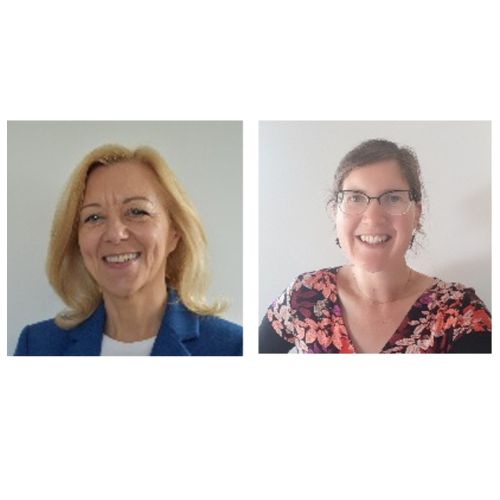
Lynne Reid-McConnell and Jennie Reed

Bio:

Lynne combines a background in psychology, business, and accounting with years of experience raising a family. After completing her CELTA in 2017, she trained as a Neurolanguage Coach® and now runs her Glasgow-based business, helping learners navigate Scottish English while building confidence in their own voice. Her focus on clear, practical communication stems from understanding that speech clarity – whether from international or native English speakers – is key to effective interaction.

Jennie is a Neurolanguage Coach and pronunciation specialist with a DipTESOL (2019), and is certified as a Neurolanguage Coach®. Having taught English since 2010, Jennie has supported teachers through her own business since 2020, helping them develop confidence and practical pronunciation skills. Jennie has presented at international conferences including Bridge International (2024), IATEFL (2025), PronSIG (2025), and IATEFL Themes (2025), and has a published article in University Grapevine (Issue 29, September 2025).

Together, Lynne and Jennie combine research-informed practice, real-world experience, and a learner-centred approach to empower teachers and learners to make pronunciation a confident, actionable skill.

Session synopsis:

Teaching Pronunciation with Confidence: From Awareness to Action

This interactive workshop (50 minutes) helps Neurolanguage Coaches feel more confident integrating pronunciation into their everyday sessions. We’ll explore key aspects of pronunciation including intelligibility, word stress, connected speech and intonation. Participants will experiment with classroom-friendly techniques, such as shadowing, mouth yoga, chants and minimal pairs, leaving with adaptable tools to use in their coaching sessions, to help their learners communicate more clearly and confidently.

Audience Takeaways:
– Understand the distinction between accent and pronunciation
– Recognise the importance of listening and awareness before production
– Explore practical ways to teach word stress, rhythm and intonation
– Gain ready to use classroom activities for pronunciation work- Build confidence in addressing pronunciation in everyday sessions.

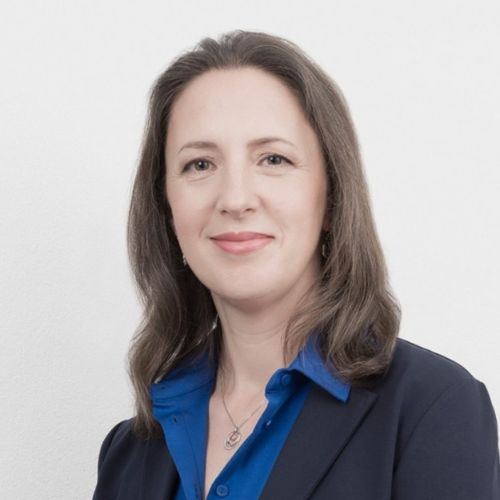
Ana Costa

Ana Costa

Bio:

Ana Costa is a Certified Advanced Neurolanguage Coach and a language professional with over 20 years of experience teaching English and French. She holds a degree in European Studies and a certification in Dyslexia and Foreign Language Teaching. Ana is passionate about supporting individuals who need languages for work and living, as well as adolescents facing neurodiverse challenges, including dyslexia, dysgraphia, and ADHD. Her work focuses on applying the Neurolanguage Coaching® framework to transform theoretical knowledge into personalised strategies that foster autonomy and intrinsic motivation, guiding learners toward verifiable success in one-on-one contexts. At this year’s conference, she is presenting a compelling case study illustrating how a neurodiverse learner harnessed deep internal motivation to co-create brain-friendly study materials and achieve measurable academic progress.

Session Synopsis:

When Motivation Meets Dyslexia – Transforming Barriers into Breakthroughs.

Description and Objectives: Dyslexia is often viewed as a barrier to language learning, yet with motivation and the right support, learners can turn challenges into strengths. This workshop presents a compelling case study on achieving extraordinary academic success with a neurodiverse learner, reframing the condition from a limitation to a catalyst for growth. The core objective is to demonstrate how deep intrinsic motivation, “Motivision”, and fully coached learner autonomy (core principles of Neurolanguage Coaching) empower students to bypass neurological learning blocks and achieve top results. 

The session will dissect the journey of a neurodiverse young learner who, driven by a powerful desire for self-worth and to prove her capability, refused lower marks and successfully co-created her own brain-friendly materials, ultimately earning A-grades in all subjects, including languages.